NURA Ai Health Screening Technology
Our cutting-edge imaging devices enable accurate, comfortable, and safe screening
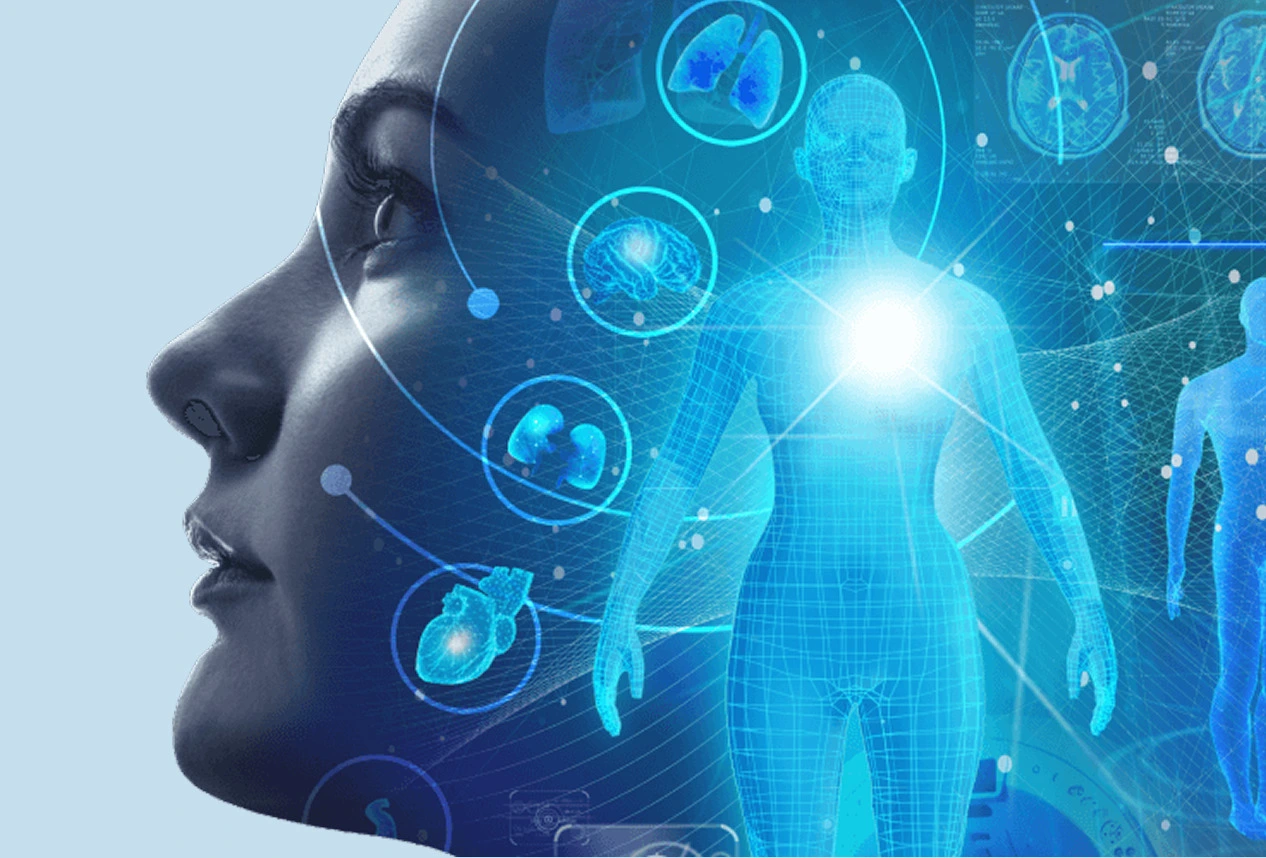
Using intelligent Ai technology to improve your screening experience
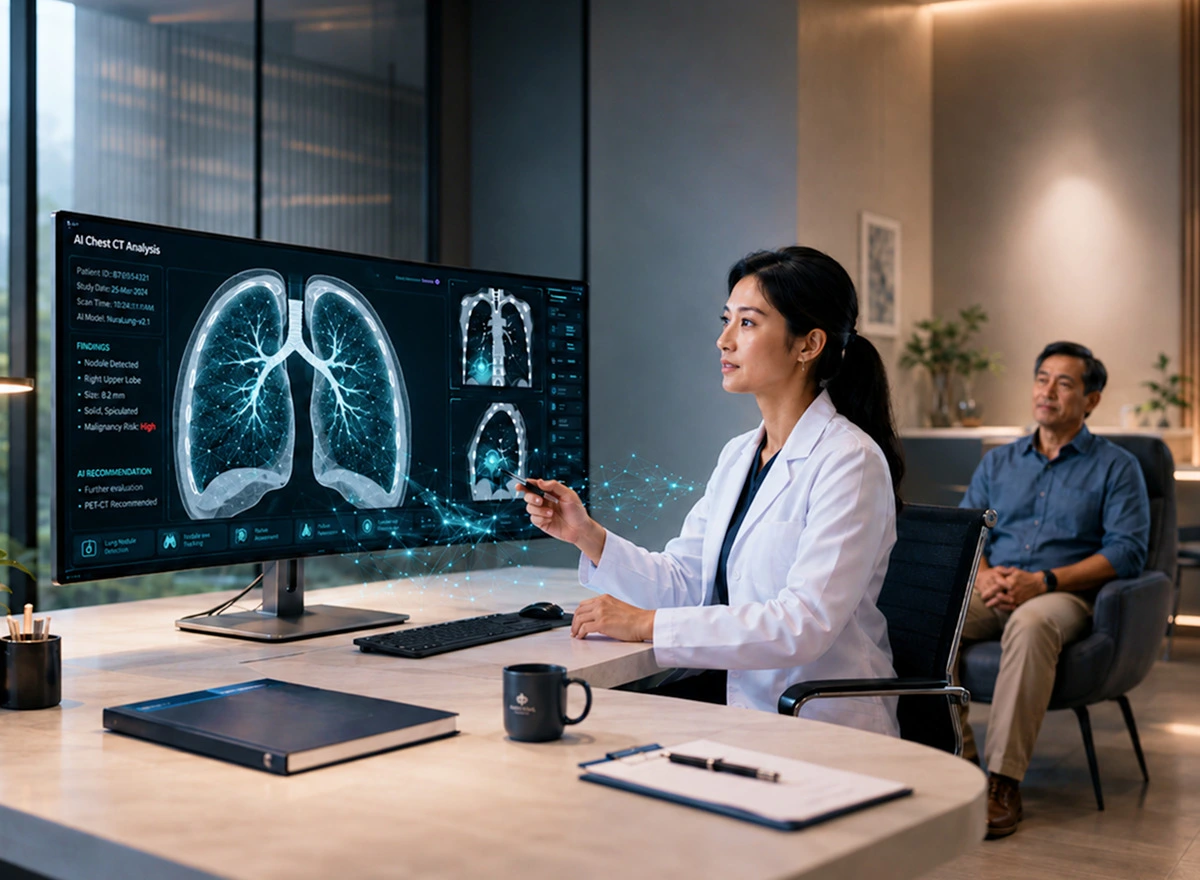
Safe • Accurate • Takes just 20 minutes
A computerized tomography scan, more commonly called a CT scan, allows doctors to see internal organs in much greater detail than a regular X-ray. It takes a series of X-ray images at various angles around your body and processes it together to create multiple cross-sectional images (slices) of the scanned body part.
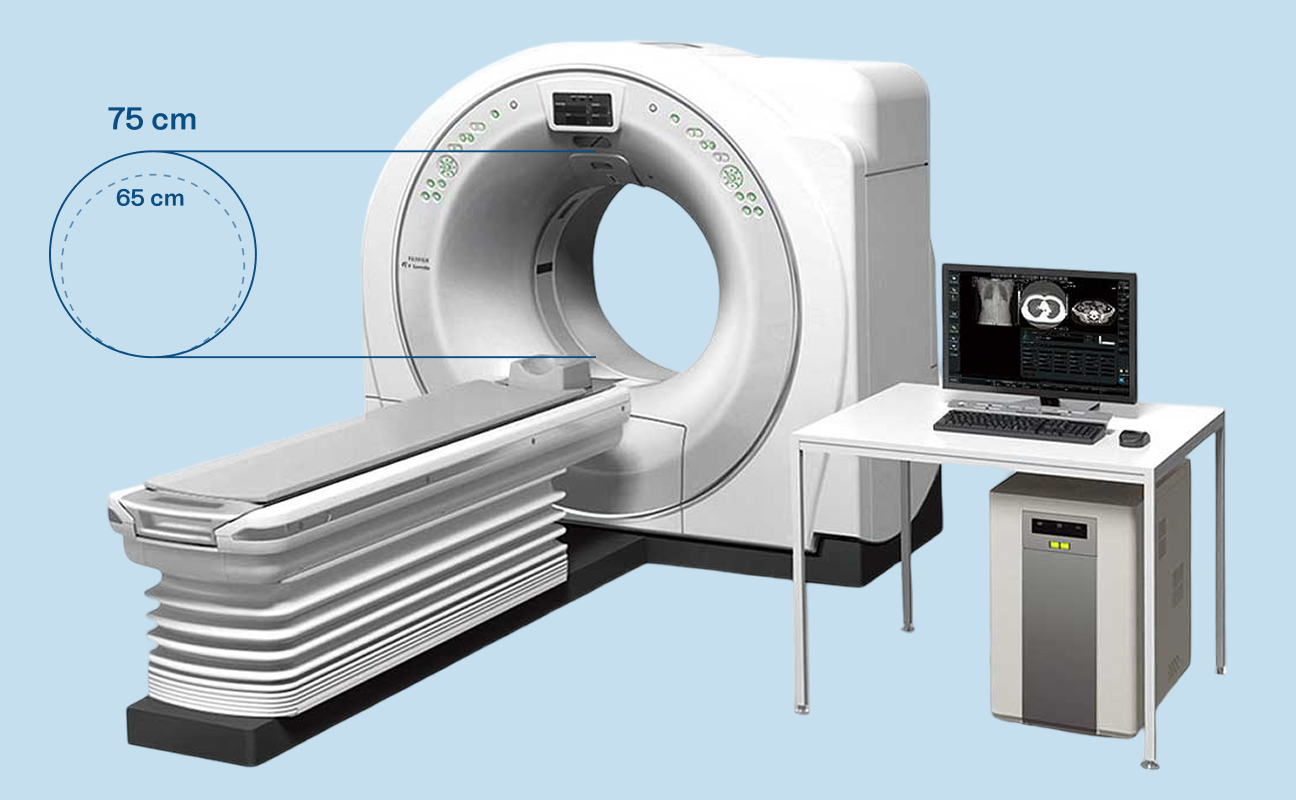
Designed to ease your anxiety
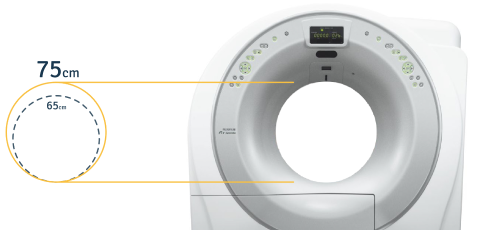
The accuracy of high-speed scanning
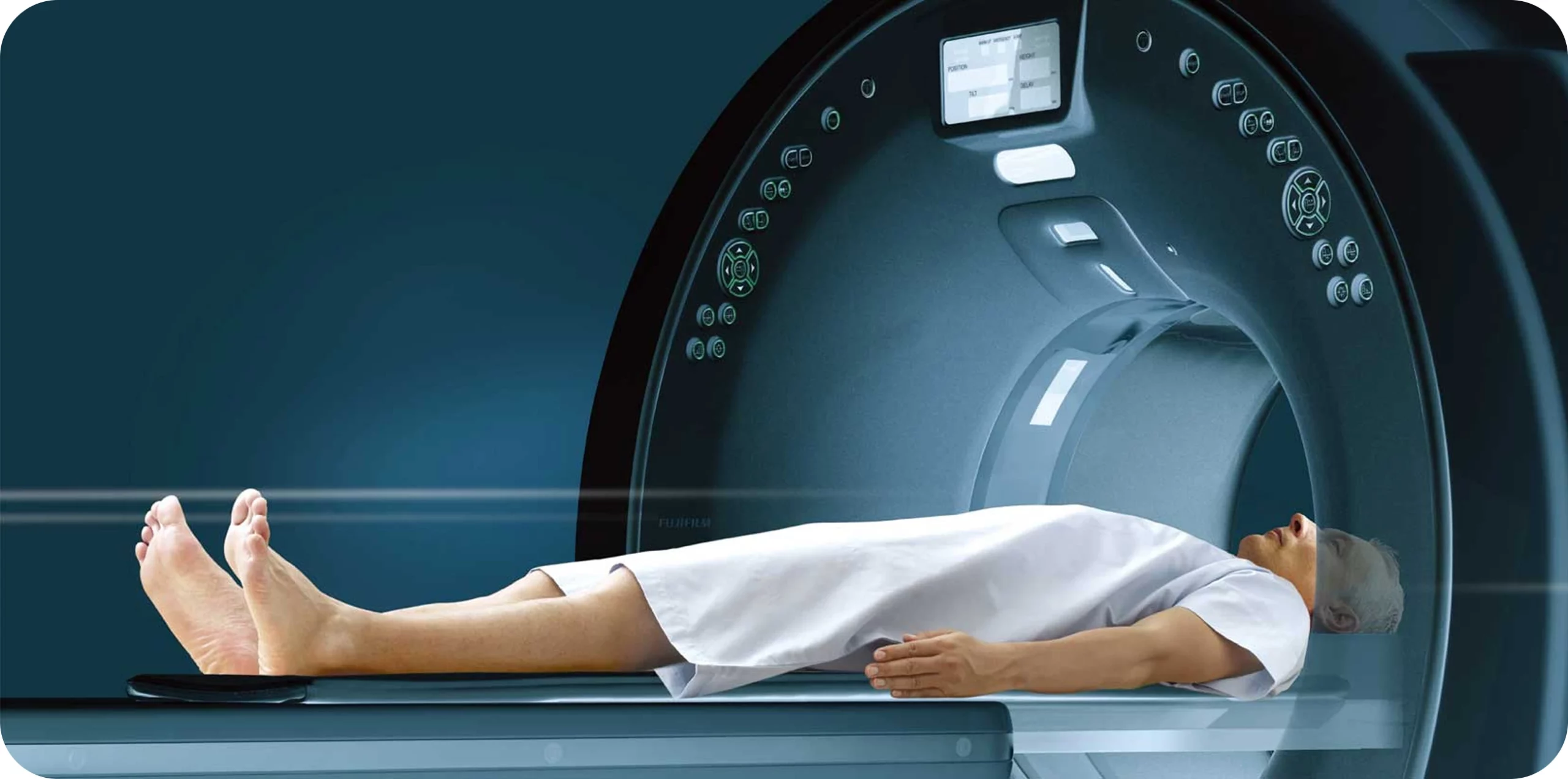
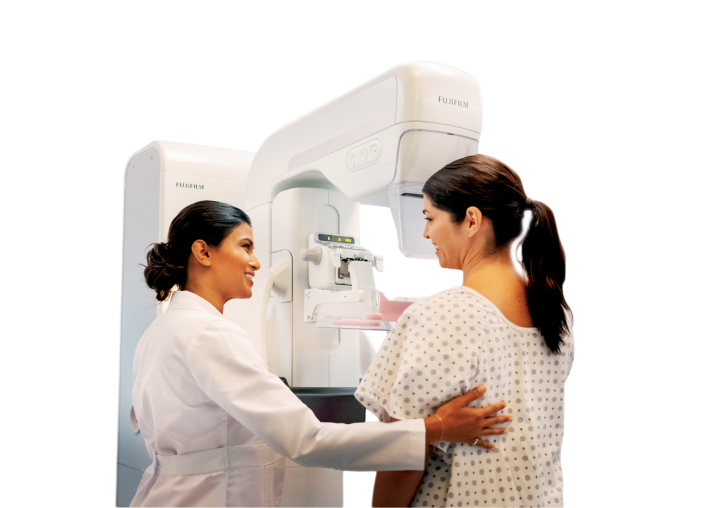
Minimum discomfort • Accurate • Takes just 10 minutes
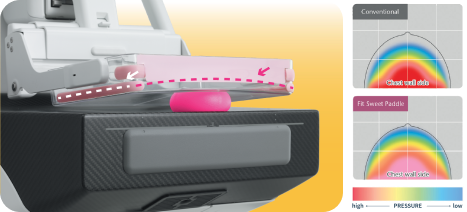
Flexible paddle for added comfort
Accurate screening
We use 2D imaging, along with AI technology to comprehensively examine all sides of the breast.
During the screening process, the mammography machine moves in an arc around the breast to capture a series of x-ray images at different angles.
The images are intelligently reconstructed to help doctors identify areas that may require closer evaluation. The images make it easier to identify abnormalities when compared to regular mammography, where the overlapping breast structures makes it harder to identify an abnormality.
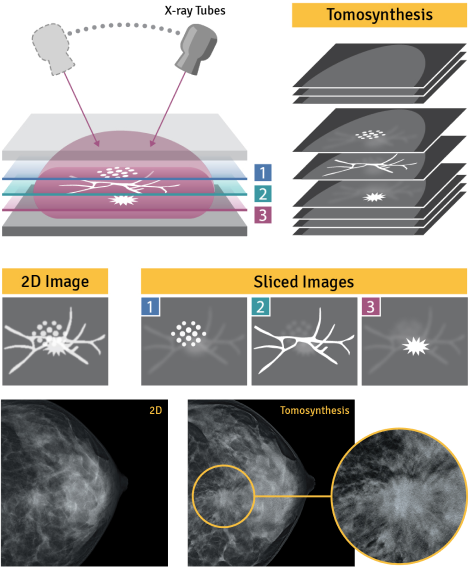
Comfortable • Accurate • Takes just 20 minutes
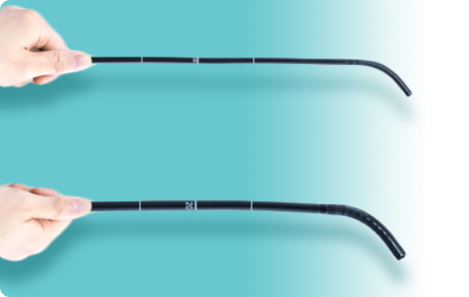
Endoscopy is used to examine a person’s digestive tract. An endoscope is a thin, flexible tube with a small light and camera on the end. It allows doctors to view high quality images of the digestive tract on a monitor and observe for abnormalities.

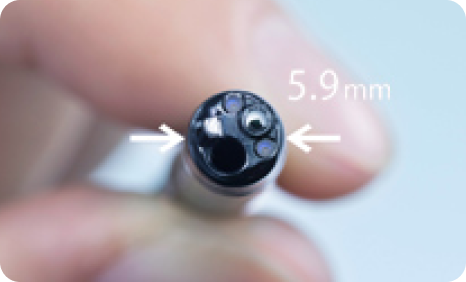
Ultra-Slim Design
Our ultra-slim nasal endoscope enables our screening process to be virtually painless and less nauseating than a traditional oral endoscope. It allows us to screen you without the use of sedatives, making the process safer.
Cutting-edge Multi Light technology
Our Multi Light™ technology creates high-quality images with observation modes that allow our doctors to make better and more accurate diagnoses.
White Light Imaging provides sharper and brighter images.
Linked Colour Imaging (LCI) gives us increased colour contrast that helps in detecting lesions or inflammation.
Blue Light Imaging (BLI) give us an improved and accurate contrast imaging.
Fujifilm Ai Technology
Our Ai technology is improving outcomes for both the patient and the doctor by making the screening process safer and more accurate.
- Fujifilm Healthcare
- Ultra-Low Dose CT
- REiLI Deep Learning
- Same-day Reports
120 min*
Full body scan + report
Three layers of intelligent screening
Artificial Intelligence
Machine Learning
Deep Learning
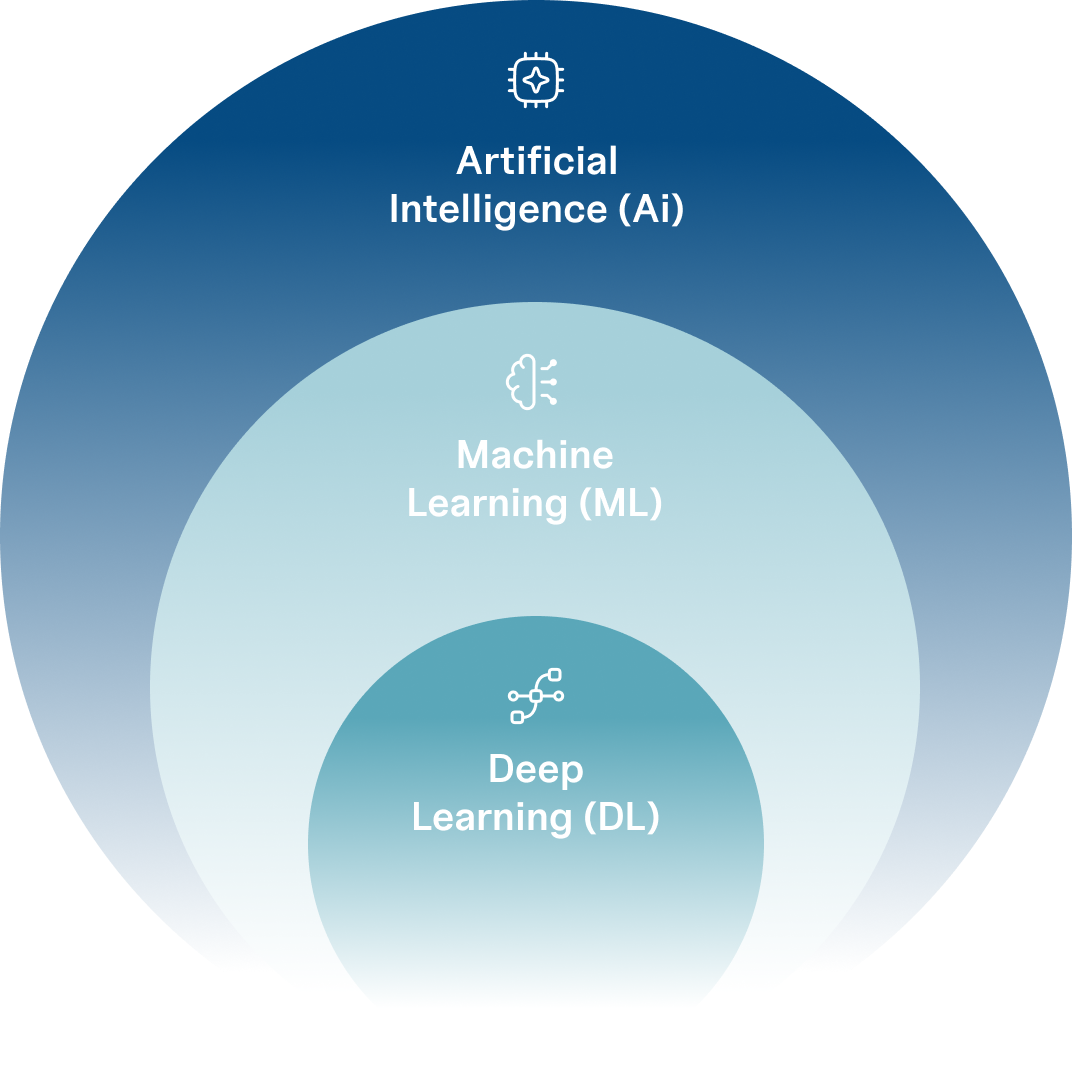
Meet the Ai inside the machine
REiLi is our Ai technology that uses deep learning and Fujifilm’s extensive image processing database to detect abnormalities automatically. This helps doctors accurately recognize the affected area and reduce the time taken by radiologists to interpret the scan.
FCT PixelShine is our Deep Learning based image processing software that improves the image quality of low-dose radiation scans. Sharper images have previously only been possible with high doses of radiation. FCT PixelShine enables our machines to produce a sharp, clear image even at ultra-low dose radiation.
How low is ultra-low radiation?
based on lung cancer CT scan at ultra low dose
- 1/50x
radiation than regular imaging machines
- BLR - NYC
equal to a round trip flight from Bangalore to New York
Clear Insight. With Ultra-Low Radiation
Fujifilm Healthcare’s vast data set of radiology images and decades of experience in the field has helped us develop advanced Ai technologies that empower radiologists and doctors. Our Ai allows them to read scans more efficiently and accurately, helping them make quick and intelligent decisions.
Ai technology makes the screening process safer by allowing us to use ultra-low doses of radiation. Sharper images have previously only been possible with larger doses of radiation.
Our Ai technology processes the low-dose scan and compares them to similar scans in Fujifilm’s vast library of imaging data. This enables us to sharpen the low-dose image and identify problems that would be missed by the naked eye.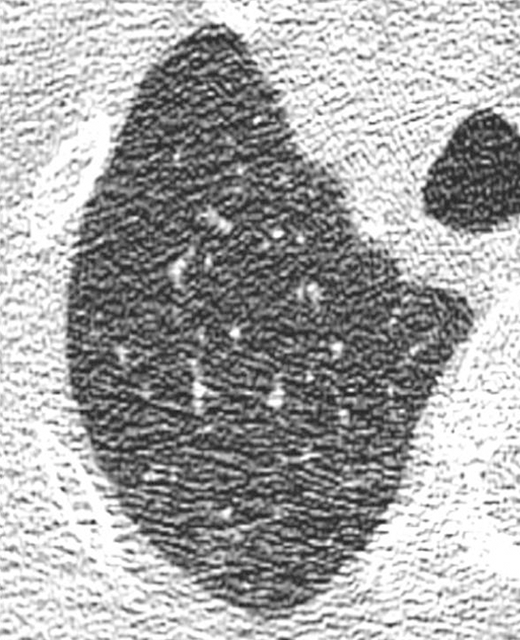
Ultra Low-Dose Scan
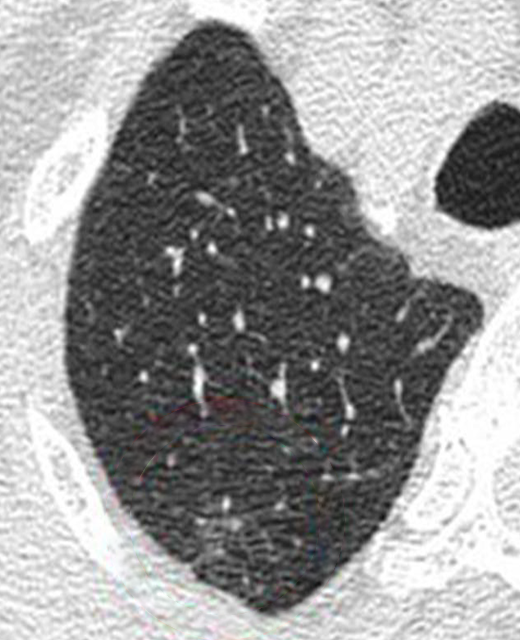
High-Dose Scan
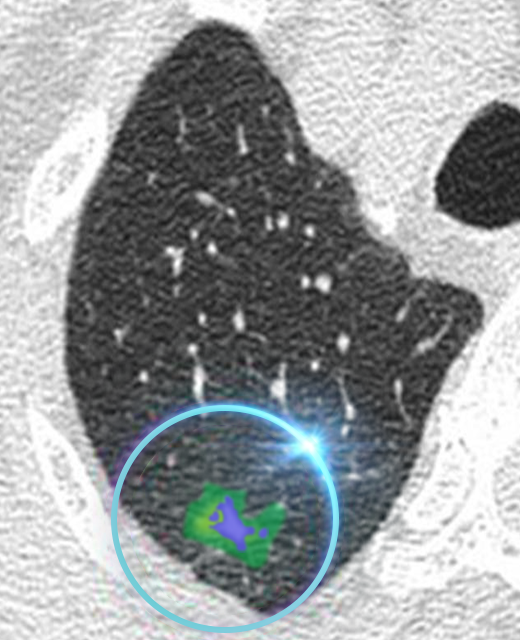
Ai Enhanced Ultra Low-Dose Scan
Have Questions? We’ve Got Answers
Have Questions? We’ve Got Answers
- Is a CT scan safe for annual health screening?NURA uses Fujifilm ultra-low-dose CT systems specifically designed for preventive screening operating at a dose substantially lower than conventional CT imaging.This is what makes annual screening practical. If you are pregnant, may be pregnant, or have specific health concerns, please inform the NURA team and consult your doctor before booking.
- What is an ultra-low-dose CT scan?An ultra-low-dose CT is a computed tomography scan engineered to use a significantly lower radiation dose than standard CT imaging while preserving image quality. NURA uses Fujifilm ultra-low-dose CT systems with Ai-supported image processing, which is what makes detailed imaging practical as part of an annual preventive screening habit.
- What is REiLI Ai technology?REiLI is Fujifilm’s medical imaging Ai. It uses deep learning, trained on Fujifilm’s extensive imaging database, to help identify patterns in scans that may warrant a closer look supporting radiologist in reading scans more efficiently. At NURA, REiLI assists physician review; all findings are confirmed by qualified doctors before being shared.
- Is Ai health screening accurate?NURA’s screening is designed to support early detection not to deliver diagnoses, and no screening can identify every condition. Ai-assisted imaging helps physicians identify early risk indicators, and all findings are reviewed by NURA’s medical team before results are shared. If your screening identifies an area of concern, NURA’s doctors will explain it clearly and guide you on appropriate next steps with specialist care.
- How does Ai health screening work at NURA?At NURA, Ai is used to enhance medical images by using advance software, helping doctors identify and highlight areas that may require closer attention during evaluation. Every Ai-assisted finding is reviewed by NURA’s qualified physicians before results are shared with you typically within the same 120-minute visit, with a doctor consultation and digital health report.
- Can Ai detect cancer better than doctors?Ai and doctors work best together that is how NURA is built. Ai-assisted imaging can help physicians spot early risk markers that are difficult to see in routine review, and it reads consistently across thousands of images. But screening judgement, context, and your consultation come from qualified doctors. At NURA, every Ai-assisted finding is reviewed by the medical team before results reach you.