What is Preventive Screening
Screening is a proactive, voluntary health check for people who feel perfectly healthy. Unlike diagnostic tests triggered by symptoms, screening finds silent risks before they become serious.
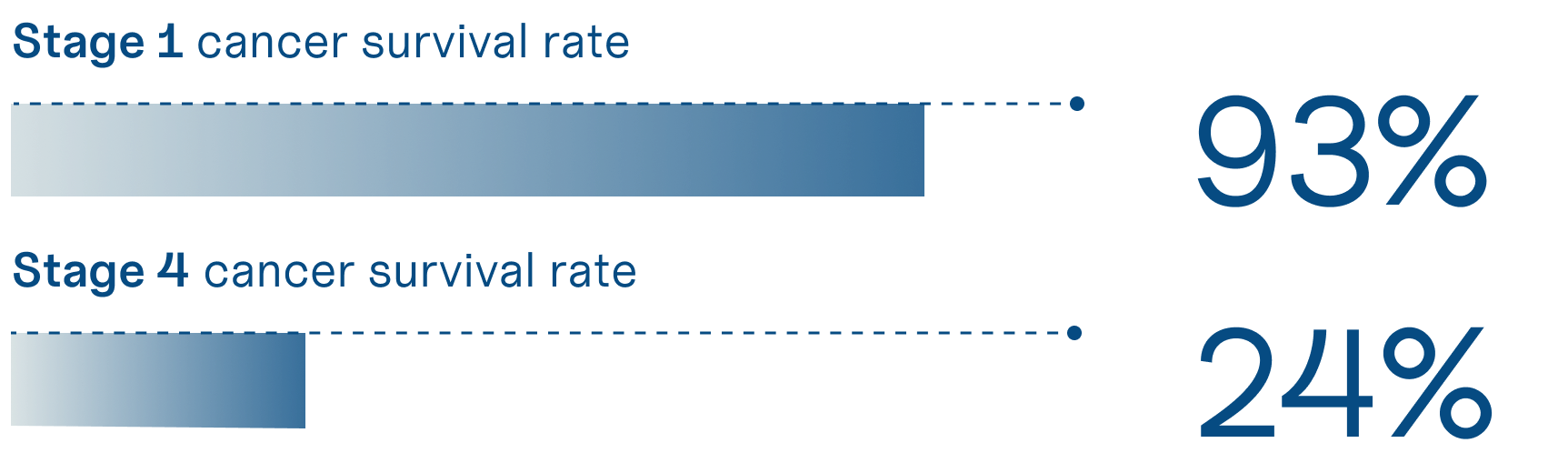
*Source: Japanese Association of Clinical Cancer
The best time to screen is when you're healthy — not when symptoms appear.
Stages of Cancer
Each stage represents how far cancer has spread. NURA is designed to find it at Stage 1 — before it spreads.
- Tumor Cell
- Lymph Nodes
- Stage - Early
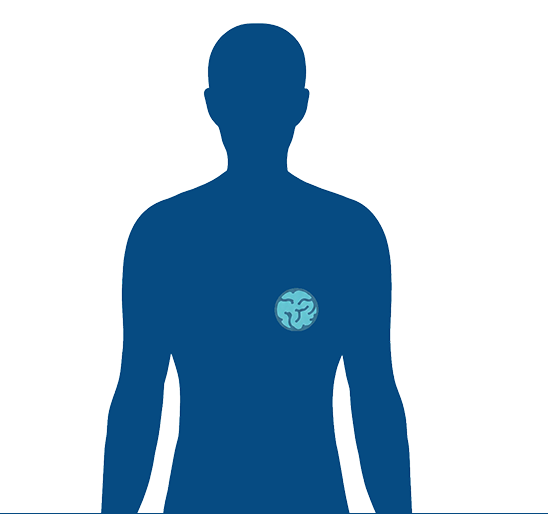
Confined to a single area
Cancer has not spread. Treatment is most effective, least invasive and recovery rates are highest.
- Stage - Localised
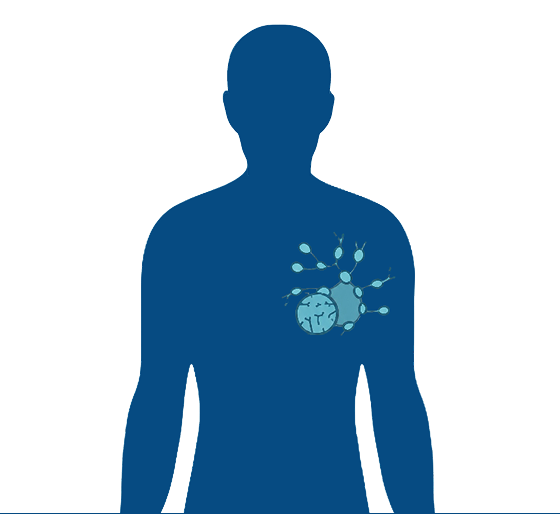
Grown, may affect lymph nodes
Still localised but has grown significantly. Treatment is still effective but more intensive.
- Stage - Regional Spread
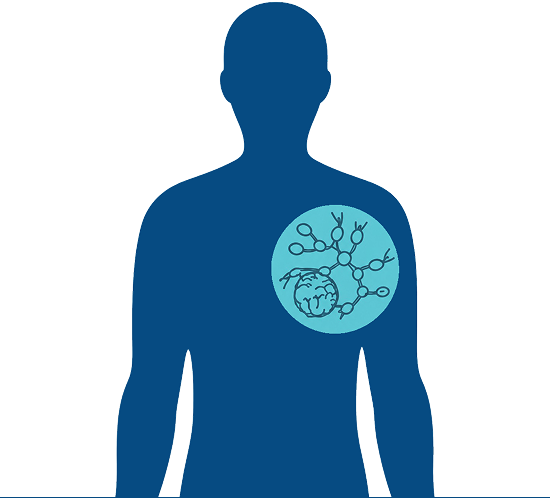
Spread to nearby tissues
Cancer has moved to nearby tissue and lymph nodes. Treatment options become limited.
- Stage - Distant Spread
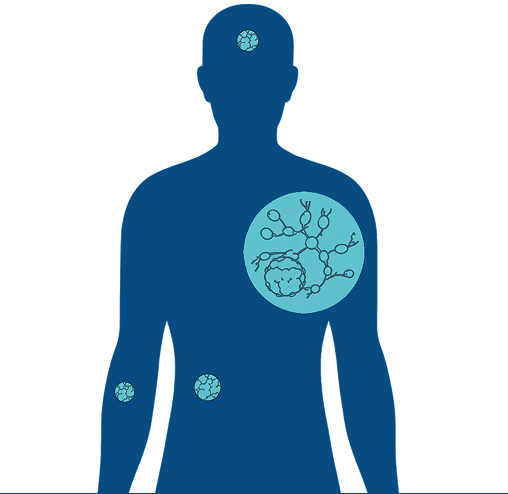
Spread to other organs
Cancer has metastasised. Survival rates drop sharply and treatment becomes palliative.
Screening is not diagnosis
Most people confuse the two. Understanding this distinction is key to taking the right health decisions.
Screening vs Diagnosis
- Screening (NURA)
- Diagnosis
- Screening may flag a concern that prompts a diagnostic test — and that’s exactly how the system is designed to work. NURA screening gives your doctor a head start
The reality of cancer in India today.
Cancer is the second leading cause of death in India. Here's what the data says about who's most at risk.
Top Cancers in Indian Women:
- Breast Cancer
- Cervical Cancer
- Ovarian Cancer
- Colorectal Cancer
Top Cancers in Indian Men:
- Lung Cancer
- Oral Cancer
- Prostate Cancer
- Colorectal Cancer
Why is early detection important?
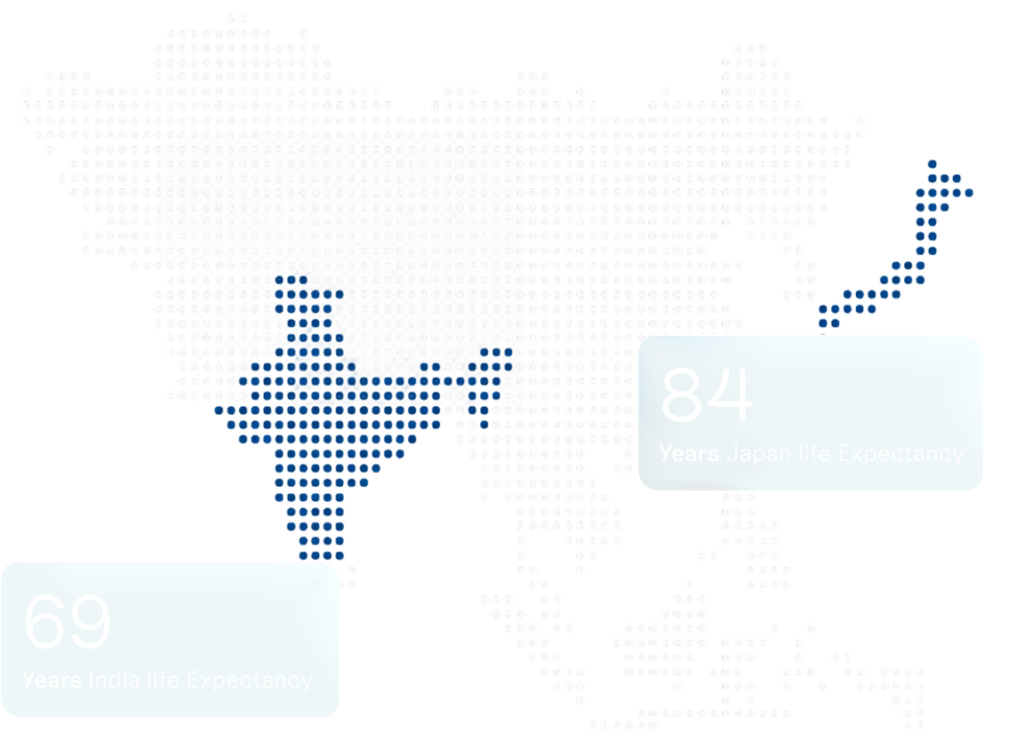
Japan is a great example of why early detection works. Life expectancy in Japan is the longest in the world, thanks in part to their tradition of periodic screening. Cancers in Japan are usually detected at an early stage, giving those diagnosed with it the best chance at receiving effective treatment.
NURA is modelled after this Japanese system of periodic screening.
Why is early detection important?
Japan is a great example of why early detection works. Life expectancy in Japan is the longest in the world, thanks in part to their tradition of periodic screening. Cancers in Japan are usually detected at an early stage, giving those diagnosed with it the best chance at receiving effective treatment.
NURA is modelled after this Japanese system of periodic screening.
*Source: GLOBOCAN 2018
From arrival to clarity. In 120 minutes*
Every step is guided by our expert team. No waiting. No confusion. Just precise, efficient care.

Arrive & Register
0 -10 min*

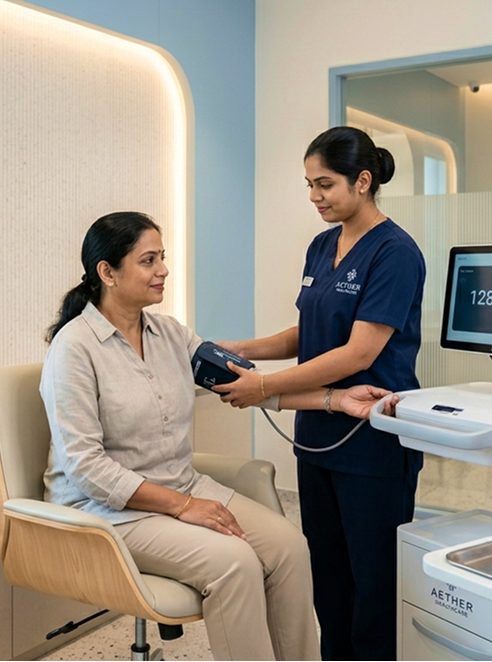
Vitals & Lab Tests
Blood, Urine, Vision, Hearing
10 -50 min*
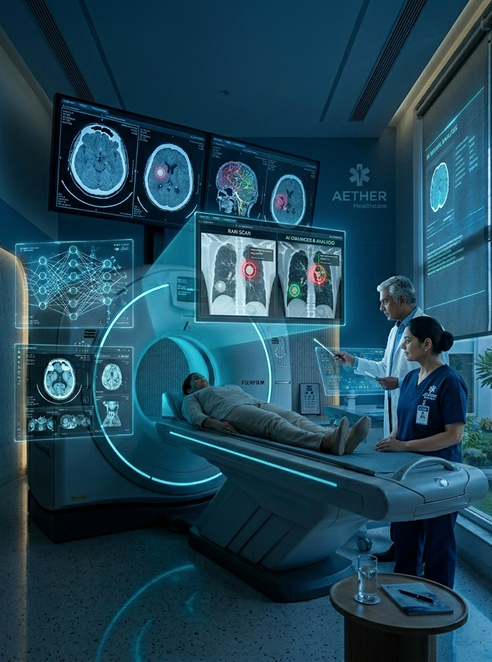
Ai Imaging Scans
CT, Bone Density, Vascular Scans
50 - 80 min*
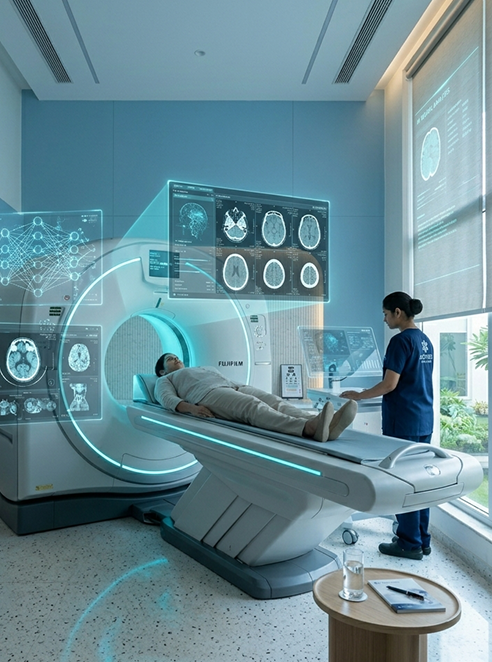
Ai Analysis
Fujifilm Ai processes all results
80 -100 min*
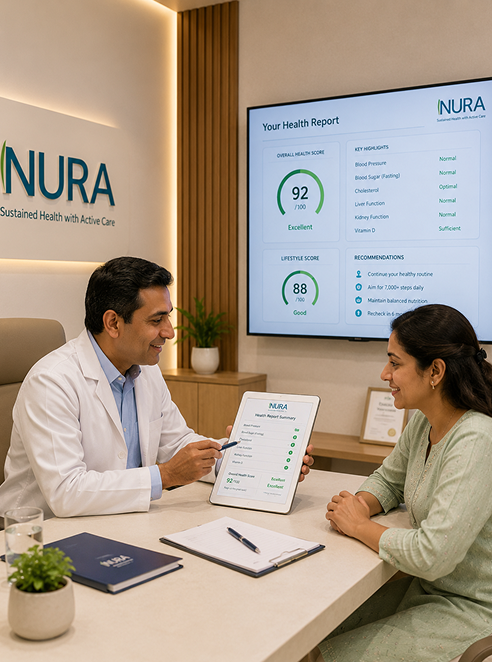
Report & Consultation
100 -120 min*
From arrival to clarity. In 120 minutes*
Every step is guided by our expert team. No waiting. No confusion. Just precise, efficient care.

Arrive & Register
Check-in, personalized welcome
Vitals & Lab Tests
Blood, Urine, Vision, Hearing
AI Imaging Scans
CT, Bone Density, Vascular Scans
AI Analysis
Fujifilm AI processes all results
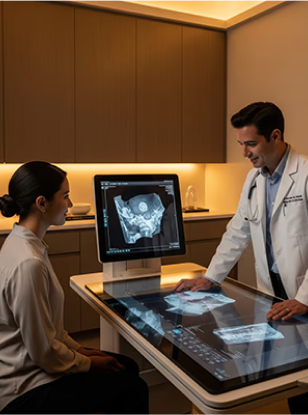
Report & Consultation
Doctor walkthrough, same-day report
Arrive & Register
Check-in, personalized welcome

Vitals & Lab Tests
Blood, Urine, Vision, Hearing

Ai Imaging Scans
CT, Bone Density, Vascular Scans

AI Analysis
Fujifilm Ai processes all results

Report & Consultation
Doctor walkthrough, same-day report
Are you at risk?
The best time to screen is when you're healthy. But some factors make screening more urgent. If any of these apply to you, don't wait.
- Family history of cancer
- Overweight / obese
- High-stress career
- Alcohol consumption
- Poor sleep patterns
- Age 40 and above
- Low Physical Activity
- Frequent travel / jet lag
- Tobacco use
- Digestive
NURA Recommends : Start screening at 35 years of age.
Or earlier if you have a family history of cancer or any of the risk factors listed. Annual screening gives you the most accurate picture of your health trajectory.
- Screen annually for best results
- No fasting, no prep — walk in any time
- Walk out with your full health report