Japan is known for many things – technology, culture, and beautiful landscapes. But one thing that always stands out is how long and healthy Japanese people live. Their way of life is admired all over the world, not just for its simplicity but for its power to support good health and slow ageing.
This blog will explore the Japanese lifestyle and the different Japanese longevity habits that help people live longer, stay fit, and avoid many common lifestyle diseases. We’ll discuss everything – from food and nature to mindset and health screening.
Why Do the Japanese Have the Highest Life Expectancy in the World?
Japan has one of the highest life expectancies in the world. The average life expectancy in Japan is about 84.3 years – one of the longest globally. Women in Japan, on average, live even longer – reaching 88 years.
This isn’t due to a single factor. It’s a mix of cultural, social, medical, and lifestyle reasons. Here are a few key ones:
- Strong community bonds and low levels of social isolation
- A Japanese healthy lifestyle that includes walking, gardening, and housework even at older ages
- Frequent and routine medical checkups, including full-body screenings
- A focus on non-processed, traditional diets
- Low rates of obesity and smoking among older people
- Strong cultural values around respect, cleanliness, and discipline
What stands out is that these aren’t complex things. They are everyday actions rooted in tradition and community life.
Japanese Lifestyle Tips For Long Life
So, what exactly are the Japanese lifestyle tips that help people stay healthy for longer? At the heart of it is a simple but powerful approach to daily living.
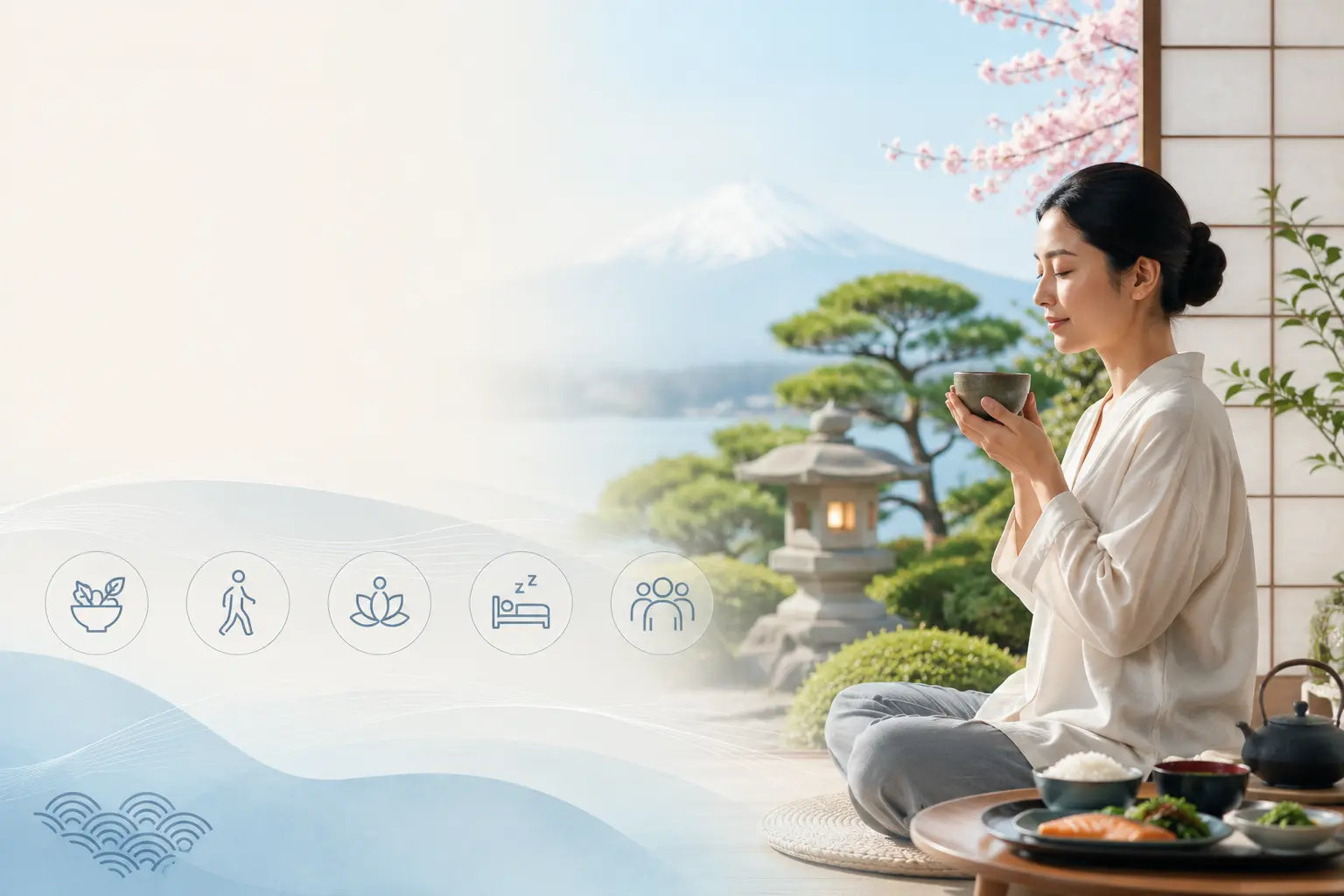
Some major elements of the Japanese lifestyle for long life include:
- A balanced diet
- Mindfulness and purpose in daily life (Ikigai)
- Light physical activity as part of daily routine
- Social connection and family support
- Forest bathing and connecting with nature
- Regular health screening as part of normal life.
These Japanese healthy lifestyle habits are deeply cultural. They are taught from a young age and become second nature over time.
These ideas can also be adapted as lifestyle tips for busy professional lives, helping people stay healthy even with limited time.
Ikigai – Finding Purpose in Life
One of the most important ideas in Japanese culture is “Ikigai”. It’s not just a buzzword. It’s a mindset and way of life. The word is made from “iki” (life) and “gai” (worth or value). Together, Ikigai means “a reason for being “. It has been linked to better heart health, lower levels of stress, and even a longer life.
In Okinawa – a region with some of the longest-living people in the world – elders often talk about their Ikigai as their community work, hobbies, or taking care of grandchildren.
Steps to Discover Your Ikigai:
- Ask yourself what you love doing
- Think about what you’re good at
- Consider what the world needs
- Find what you can offer or give
This mix of passion, skill, service, and purpose keeps people mentally active and socially engaged.
Balanced Diet
Another key to the Japanese healthy lifestyle is their food. The traditional Japanese diet is low in processed foods and sugar, but rich in vegetables, fish, rice, tofu, seaweed, and fermented foods like miso. Typical healthy Japanese lifestyle tips include meals that are high in fibre and protein, and very low in unhealthy fats.
This kind of diet reduces inflammation and supports gut health. It’s also linked to lower risks of obesity, diabetes, and heart disease.
A typical meal follows the “Ichiju-Sansai” style:
- One bowl of soup
- Three side dishes
- A bowl of rice and maybe fish
This approach keeps meals balanced, varied, and nutrient rich.
Japan’s healthy lifestyle includes a balanced diet:
- Eat smaller portions with a variety
- Include fermented foods for gut health
- Drink green tea instead of sugary drinks
- Choose fresh produce over packaged food
The goal isn’t to count calories but to eat fresh and natural food that fuels the body.
Eat Until You Are Almost Full
This is another standout habit in the Japanese lifestyle: the idea of “Hara Hachi Bu” – a Confucian teaching that means “Eat until you are 80% full.” It’s a common saying in Okinawa.
Instead of eating until one feels full, Japanese people stop when they feel just satisfied. This helps prevent overeating and supports a healthy weight.
This practice helps reduce the risk of metabolic syndrome, heart problems, and even cancer.
How to follow this tip:
- Eat slowly and chew more
- Stop when you’re no longer hungry – not when you’re full
- Use smaller plates and bowls
- Avoid distractions during meals
Eating this way trains your body to feel satisfied with less and avoids strain on the digestive system.
Forest Bathing – An Excellent Nature Therapy
In Japan, people often spend time in forests not to hike or jog – but simply to be there. This is called Shinrin-yoku, which means “forest bathing”. It’s about connecting with nature through the senses – sight, smell, sound, and touch.
Studies have shown that forest bathing can lower cortisol (a stress hormone), reduce blood pressure, and improve mood.
The Japanese government even supports forest therapy trails for public health. This nature-based therapy has grown in popularity worldwide, but it has deep roots in Japanese wellness culture.
How to try forest bathing:
- Go to a quiet forest or green space
- Leave your phone behind
- Walk slowly and breathe deeply
- Observe sights, sounds, and smells
- Spend at least 30-60 minutes in silence
The benefit is not just mental – it supports heart health, immunity, and sleep.
Build Strong Social Connections
One of the most important Japanese longevity habits is strong community life. Elders in Japan stay socially active – joining community groups, helping neighbours, or simply sharing tea with friends.
Strong social connections help reduce loneliness, stress, and depression – all of which are linked to lifestyle diseases like high blood pressure and stroke.
In Okinawa, people belong to “Moai” – a lifelong group of friends who support each other emotionally and financially. This kind of group creates safety, care, and purpose.
Tips for building social bonds:
- Make time for neighbours and old friends
- Join hobby or volunteering groups
- Share meals regularly
- Help others when you can
Social wellness is just as important as physical wellness – and it’s a big part of the Japanese lifestyle.
Culture of Regular Health Screening
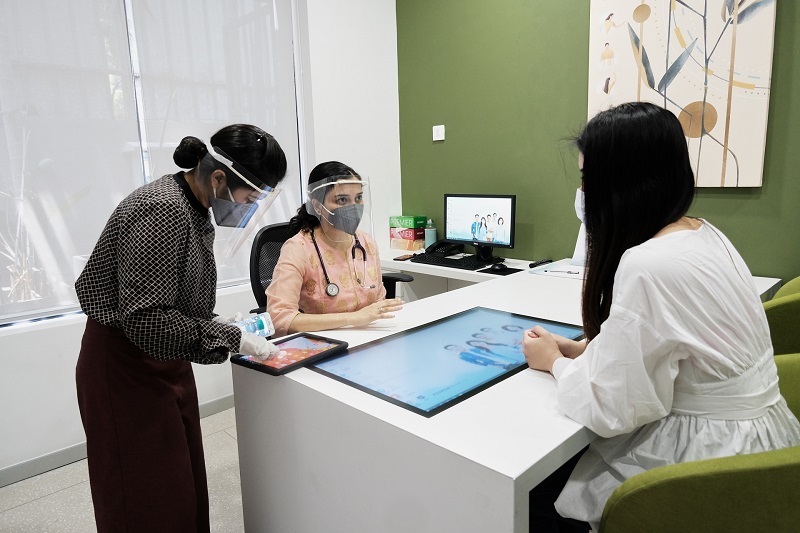
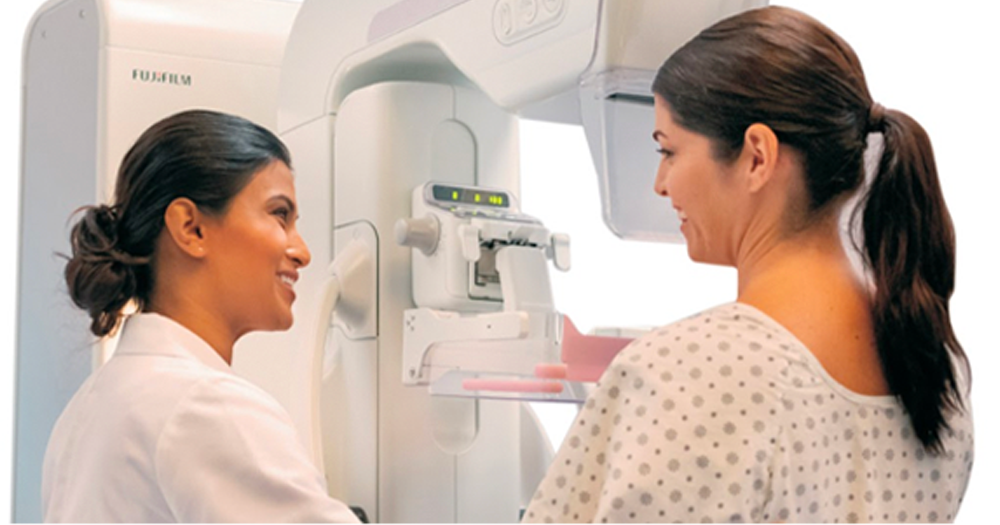
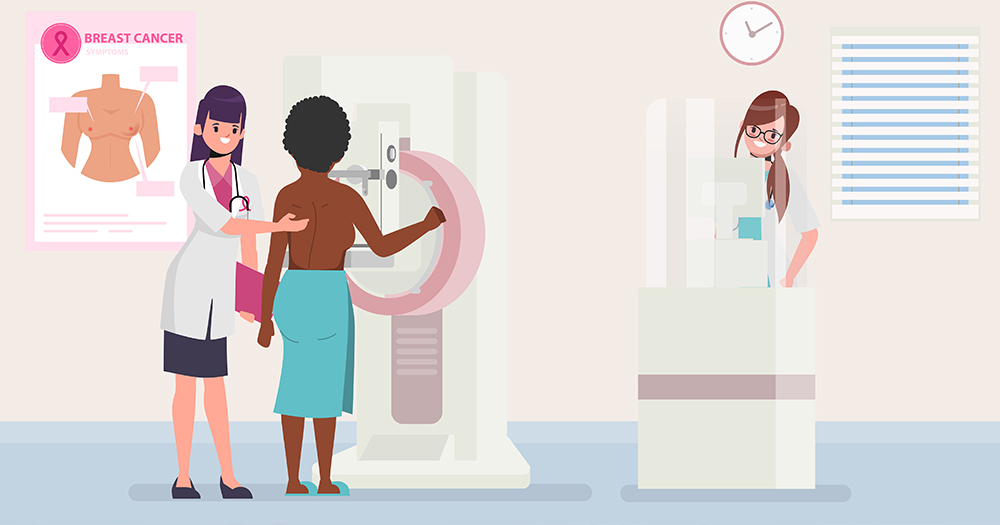
One of the most overlooked but powerful parts of the Japanese healthy lifestyle habits is routine health screening. From a young age, people in Japan get used to annual medical checkups – not just when they’re sick.
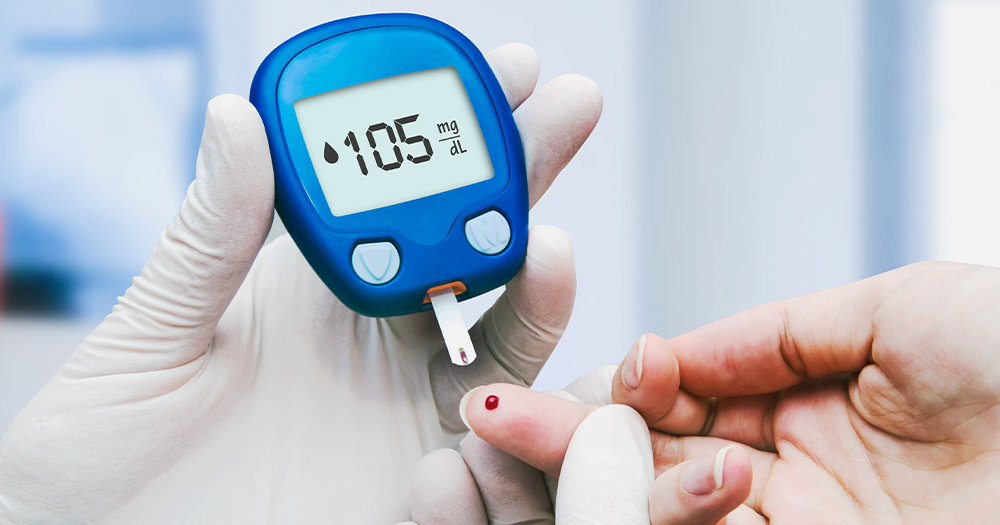
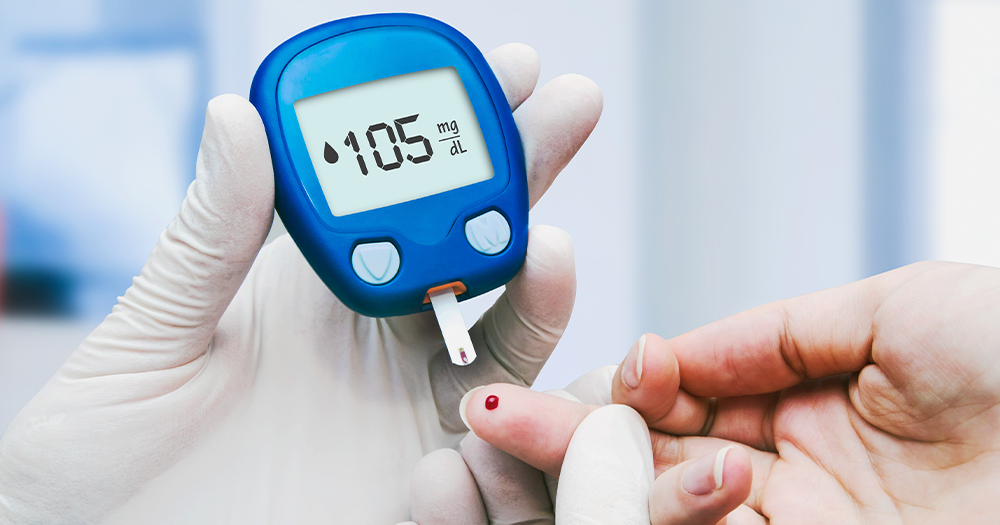
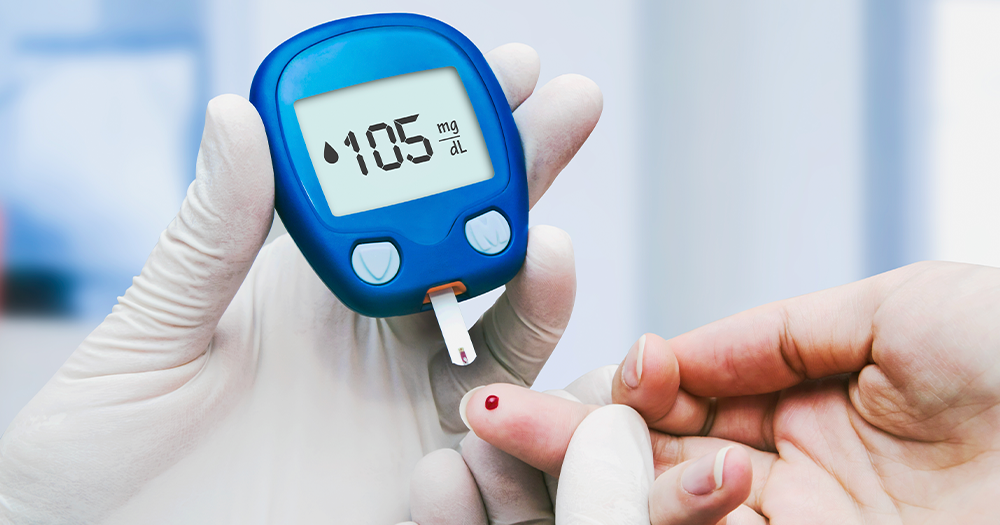
These complete health screenings include blood tests, scans, physical exams, and risk factor assessments. It’s a big part of secondary prevention – finding problems early before they become serious.
Regular health checkups also build awareness about personal health and lifestyle habits. Many companies in Japan offer annual checkups for all employees, with detailed health reports.
In India, services like Nura are bringing this model to life. At Nura:
- You get a full body health checkup in 120 minutes
- The process is non-invasive and painless
- Low-dose CT scans use 97% less radiation
- A wide bore gantry makes scans more comfortable
- The report is grading-based and easy to understand (A = most healthy)
- There’s no fasting required, and the centre is calm and quiet.
This approach can help reduce the burden of diseases like diabetes, cancer, and heart conditions – and can also support COPD Early Detection through detailed lung imaging.